Blankets are layered bedding designed to provide warmth, comfort, and adaptable coverage during rest. Their materials, weight, weave, and size influence insulation and breathability, making these features useful considerations across changing seasons and sleeping environments. Blankets can also complement pillows, sheets, and mattresses as part of a coordinated bedding setup.
Natural fibers such as wool can help regulate temperature by insulating while allowing moisture vapor to escape. Blanket weight and construction affect how warm a layer feels and how it drapes over the body. Understanding these characteristics helps distinguish lightweight coverings from heavier options intended for cooler rooms or added warmth.
Blankets are typically used over sheets or as an additional layer above a mattress, and may also serve as a standalone covering. Care requirements depend on fiber content and construction; checking cleaning guidance can help preserve texture and shape. Size matters too, since suitable coverage depends on the bed and preferred drape.
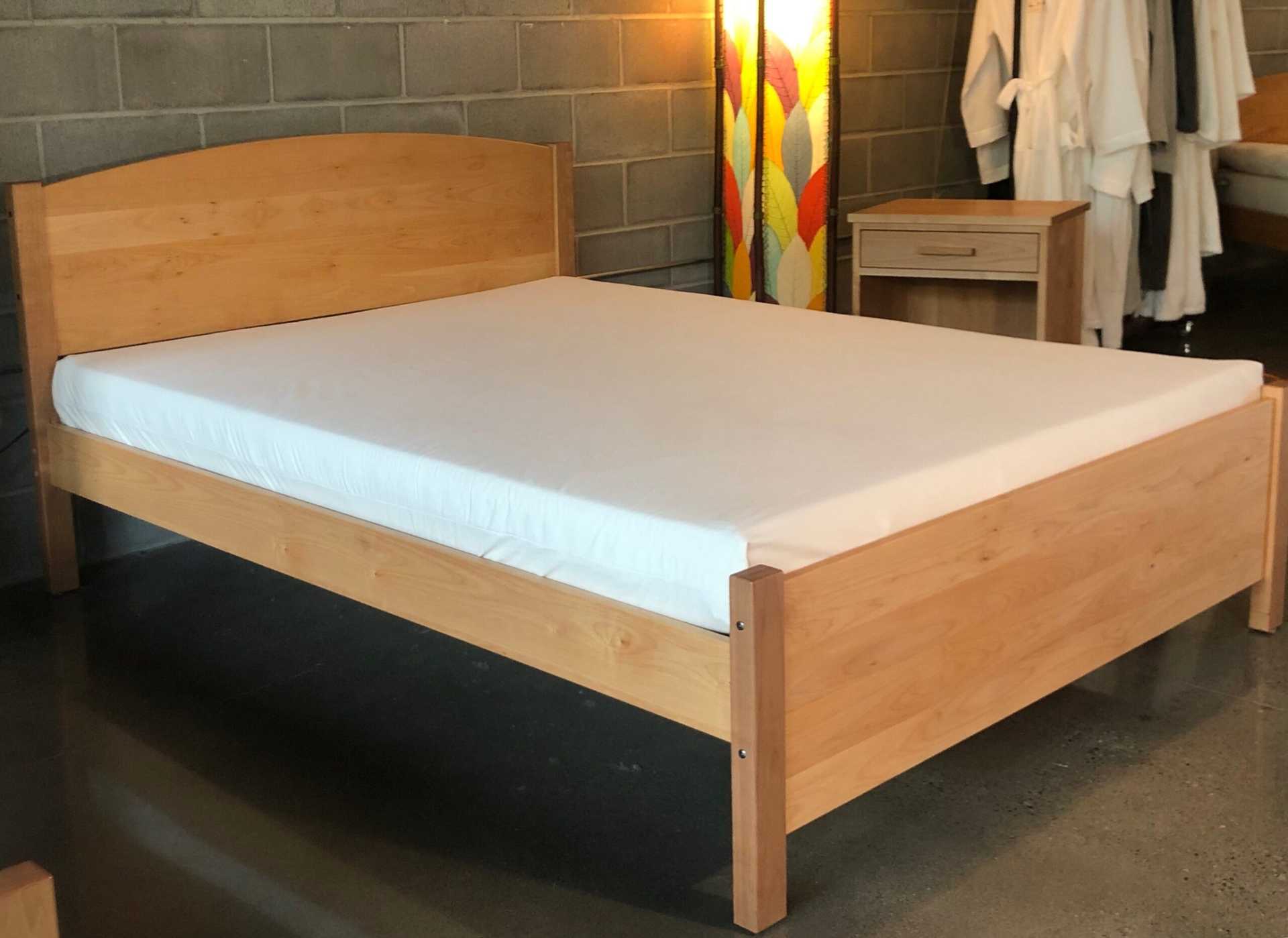
In the broader bedding context, the Natural Wool & Latex Mattress 6.5 Inch combines natural wool with latex in a compact mattress design. Wool provides a natural cushioning layer, while latex contributes responsive support. These features relate to sleep comfort and temperature management, although a mattress serves a different function from a blanket.
When considering bedding together, material compatibility, breathability, and maintenance are useful factors. Blankets can be paired with sheets and pillows to create practical layers, while organic mattresses and latex products form the underlying sleep surface. Clear care instructions and accurate descriptions of materials support informed decisions about everyday bedding use.
 Bedding