Hypoallergenic mattress materials: a practical comparison of latex-free options
A consumer-focused guide to hypoallergenic mattress materials, addressing allergens, odor, and environmental impact. We compare latex-containing choices with non-latex alternatives, highlight certifications, and offer real-world guidance for sleepers seeking comfort and hygiene without compromise.
Published September 30, 2026
Introduction: navigating allergy concerns in sleep surfaces
For many people, choosing a mattress hinges on more than comfort and support. Allergens, odors, and chemical exposures can materially affect sleep quality and long-term health. The modern bedding market offers a spectrum of materials—from natural latex to memory foams, natural fibers, and blends—that promise different allergenic profiles and performance traits. In this guide, we unpack hypoallergenic considerations in an evidence-informed way, focusing on how materials behave in real-world conditions: how they handle dust mites, off-gassing, temperature regulation, and durability, as well as the certifications that help shoppers verify claims.
We lean into latex-free options and compare them to latex-containing materials where relevant, because many sleepers worry about latex allergies or sensitivities. We also explain what to look for when evaluating certifications like GOLS, GOTS, CertiPUR, and other standards that speak to safety, sustainability, and performance. The goal is practical guidance you can apply when shopping, diagnosing sleep disruptions, or planning a material-forward bedroom setup.
What counts as hypoallergenic in a mattress?
The term hypoallergenic is not a formal medical diagnosis but a consumer-friendly shorthand for products designed to minimize common allergens — such as dust mites, mold, and certain chemical irritants — or to reduce odor, skin reactions, and respiratory symptoms. In mattresses, hypoallergenic performance often hinges on:
- Low-odor materials or low-emission certifications to limit volatile organic compounds (VOCs).
- Innate resistance to dust mites and mold, or ease of cleaning and maintenance to keep allergen loads down.
- Breathability and moisture management to prevent damp environments that breed mites or mildew.
- Durability and stability of the top layer and core to reduce the breakdown of materials that can harbor irritants.
Different sleepers respond differently to the same material, so a hypoallergenic solution is often a matter of balancing a material's allergen-resistance, hygiene features, and comfort. The following sections outline the most common hypoallergenic options in the current market, with a focus on latex-free choices and where latex might still fit in a consumer’s decision framework.
Latex-containing materials: what to know
Latex can be a strong comfort material due to its resilience, responsiveness, and pressure-relief properties. However, for some sleepers, latex exposure can trigger sensitivities or concerns about allergies, odor, or chemical treatments. When evaluating latex-containing mattresses, consider:
- The type of latex: Dunlop vs. Talalay, and whether the latex is natural, synthetic, or blended. Natural latex tends to have different curing processes and porosity that affect breathability and odor.
- Source and certification: Look for certifications or disclosures about latex processing, such as GOTS or other standards relevant to natural fiber layers adjacent to latex cores.
- Allergen-resilience in the full mattress: Even if latex is used in a layer, the overall allergen profile depends on other materials (covers, foams, fibers) and the way the product is manufactured and cleaned.
- Care and hygiene: How easy is it to clean and ventilate the mattress surface to minimize odor buildup and potential allergen retention?
For readers who are concerned about latex allergies, it is prudent to evaluate non-latex alternatives thoroughly and to test the feel of a product in a showroom or via a reputable trial period. Some sleepers report that even latex-free solutions can provide excellent support and comfort, particularly when combined with breathable fabrics and temperature-regulating designs.
Non-latex hypoallergenic options: memory foam, natural fibers, and hybrids
If avoiding latex altogether, several materials stand out for hypoallergenic performance, depending on the design and certifications:
- Memory foam with open-cell structures and low-VOC formulations can deliver contouring comfort while remaining relatively dust-mite resistant when encased in a hypoallergenic cover and used within a breathable mattress system.
- Natural fibers such as organic cotton, wool, or cotton-silk blends in covers and comfort layers can provide moisture-wicking properties and a hygienic surface that feels breathable and clean.
- Natural or synthetic wool-filled layers, especially when used in combination with moisture management properties, can offer warmth in cooler climates and help regulate temperature without trapping heat.
- Hybrid constructions—combining innerspring or pocketed coils with latex-free foams or natural fibers—balance airflow, durability, and support while keeping allergen exposure reasonable if properly encased.
Each option carries its own odor and emission profile. Certifying that materials meet specific standards helps consumers reduce risk. For example, materials used in hypoallergenic products often come with certifications related to VOC content, cleanliness, and organic content. The next section dives into certifications and how they help you interrogate claims.
Certifications that matter for hypoallergenic performance
Certifications can act as independent signals of safety, environmental stewardship, and quality control. When you see a label, ask:
- GOLS (Global Organic Latex Standard) or its absence if latex-free; for latex, GOLS confirms organic content and processing standards where applicable.
- GOTS (Global Organic Textile Standard) for textiles used in covers and comfort layers, indicating organic fibers and environmental processing standards.
- CertiPUR-US or similar foam certifications, which assess emissions, content limits for VOCs, and certain chemical exposures in polyurethane foams.
- Oeko-Tex or other independent safety certifications indicating restricted levels of harmful substances in fabrics and foams.
Certifications are valuable, but they do not replace personal comfort testing. A mattress that passes all certifications may still be uncomfortable for some sleepers. Use certifications as a framework to compare products, then evaluate feel, temperature regulation, and long-term hygiene through trial periods and credible reviews.
Allergen considerations: dust mites, odor, and humidity
Dust mites thrive in warm, humid environments, and their presence is a common concern for allergy sufferers. The core strategy to minimize mite exposure is to choose breathable materials that discourage moisture buildup, along with robust encasings for the mattress and pillows.
- Breathable covers—whether cotton, bamboo, or other natural fibers—can help regulate surface moisture and reduce the likelihood of mold growth on the top layer.
- Easy-to-clean surfaces and machine-washable covers support hygiene, making it feasible to refresh a sleep surface regularly.
- Low-odor materials can improve the overall sleep environment, particularly for sensitive sleepers who notice chemical smells from new foams or finishes.
In practice, a well-designed hypoallergenic mattress may combine a breathable, washable cover with a core that resists microbe buildup while remaining comfortable and supportive. If a sleeper experiences persistent nasal congestion, sneezing, or throat irritation, consulting a healthcare professional and testing different materials during a trial period can help identify triggers and tolerance levels.
Practical evaluation steps for hypoallergenic shopping
- Define priorities: Do you prioritize completely latex-free materials, or are you open to latex if your exposure risk is managed and the product offers strong allergen control elsewhere?
- Review certifications and disclosures: Look for third-party verifications related to VOCs, organic content, and textile safety.
- Test feel and temperature: Prefer in-store trials or generous return policies to assess comfort, pressure relief, and cooling or warming tendencies.
- Inspect the cover and interior layers: Focus on the outer fabrics, edge support, and any foams or fibers that contact the skin.
- Consider maintenance: Are covers removable and machine washable? Is there a recommended cleaning schedule to minimize allergen buildup?
The goal is a sleep environment that stays clean, breathable, and comfortable over time. A hypoallergenic mattress is as much about ongoing maintenance as it is about initial material choices.
Tips for matching hypoallergenic materials to your sleeping style
Different sleep positions and body weights interact with mattress materials in unique ways. Here are practical guidelines:
- Back sleepers often benefit from balanced support with moderate loft; look for hypoallergenic foams or latex-free options that offer a steady contour without excessive sinkage.
- Side sleepers typically require more pressure relief at the shoulders and hips; consider soft to medium comfort layers with breathable fabrics to reduce heat and moisture buildup.
- Stomach sleepers may prefer firmer surfaces to maintain spinal alignment; hypoallergenic foams with good aeration and a stable top layer can help prevent heat retention.
Always verify that any chosen material performs well across the range of temperatures in your climate, as humidity and heat can influence both allergen exposure and perceived comfort.
A note on the marketplace and available options
The market includes a variety of hypoallergenic products: latex-free memory foam, pocketed coil hybrids with hypoallergenic foams, and natural-fiber encased designs. Some prominent examples in the broader bedding landscape emphasize wool, cotton, silk, and other natural fibers that enable moisture management without sacrificing durability. For consumers who value premium craftsmanship, test cases from luxury brands show how high-end materials can coexist with thoughtful allergen control and comfort.
If you’re curious about real-world offerings on premium platforms, a well-known example in the luxury segment demonstrates how a high-contact sleep surface integrates natural and responsive materials to deliver a unique balance of comfort and airflow. While such products are distinctive, the underlying principles of hypoallergenic performance—breathability, cleanliness, and certified safety—remain central to decision-making across price points.
Conclusion: a practical approach to hypoallergenic mattress selection
Choosing a mattress that minimizes allergen exposure while maximizing comfort is a nuanced process. Latex-free options often emphasize breathable fabrics, natural fibers, and carefully selected foams to balance odor, humidity, and hygiene. Certifications help shoppers verify claims, but the ultimate test lies in your personal experience: the feel of the surface, the way it regulates temperature through the night, and how easy it is to maintain cleanliness over time.
By prioritizing certifications, understanding material properties, and evaluating maintenance requirements, you can identify a hypoallergenic mattress that aligns with your health priorities and sleep preferences. This approach respects individual sensitivities while acknowledging the diversity of materials available in today’s market.
Glossary of key terms
- VOC: Volatile Organic Compounds, associated with odor and potential irritants in some new mattress materials.
- GOLS: Global Organic Latex Standard, certifying organic latex materials and processing.
- GOTS: Global Organic Textile Standard, certifying organic fibers used in textile components like covers and fabrics.
- CertiPUR-US: Certification for polyurethane foams indicating limits on VOCs and certain additives.
- ILD: Indentation Load Deflection, a measure of foam firmness that influences feel and support.
Further reading and practical tools
For readers who want a structured approach to mattress choice, consider building a simple decision framework:
- List must-haves for allergen control (washable cover, breathable top layer, low-VOC materials).
- Identify any latex sensitivities and determine whether latex-containing products are appropriate.
- Check for third-party certifications and read product disclosures carefully.
- Utilize trial periods and return policies to test comfort and hygiene performance in your own environment.
By combining evidence-based considerations with experiential testing, you can choose a hypoallergenic mattress that supports restorative sleep without demanding compromises on comfort.
Related resources from the site
The following products and content reflect the site’s focus on materials knowledge, durability, and comfort.
- Vispring Diamond Majesty — A pinnacle example of luxury craftsmanship featuring a layered spring system and high-end natural materials. Link: Vispring Diamond Majesty.
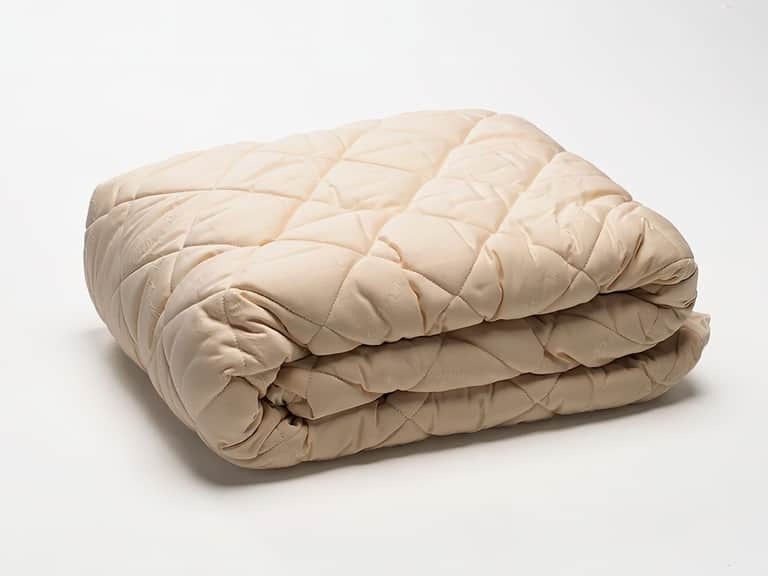
- Suite Sleep Washable Wool Mattress Pad — An accessible example of a hypoallergenic, machine-washable wool top layer that can complement a latex-free setup. Link: Suite Sleep Washable Wool Mattress Pad.
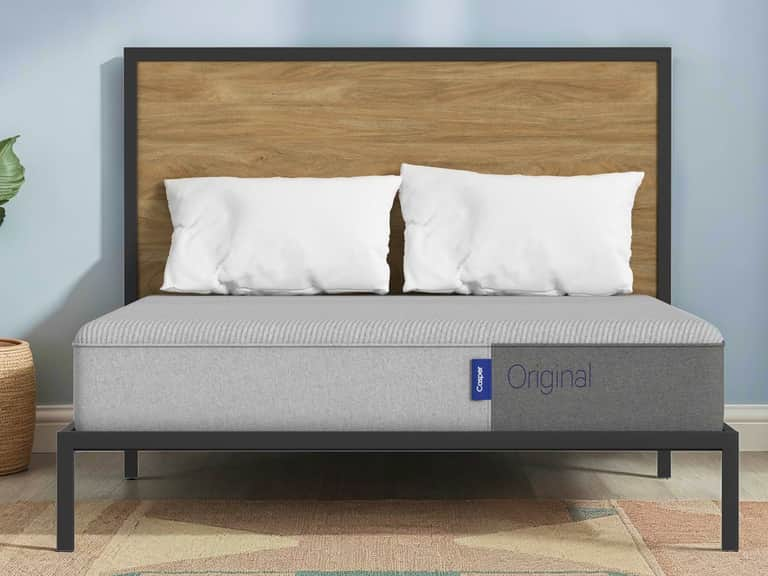
- Original Mattress (Casper) — A widely used foam-based option demonstrating how airflow and zoned support influence feel and temperature. Link: Original Mattress.